After the exit
The money lands. Then the hard part starts.
The first year
The wire clears on a Tuesday. By Friday you have three private banks in your inbox, a tax adviser you have never met, and a spreadsheet you do not trust.
Everyone has an opinion. Most of them are selling something. And the decisions you make in the next twelve months will matter more than anything you do in the following ten.
The hardest part is not the allocation. It is that you spent a decade being the person who knew the most about one thing, and now you are a beginner again, holding more money than you have ever held, being advised by people who have never built anything.
How we think about it
Not a product. This is how we invest our own family capital, written down.
-
01
Decide what the money is for before deciding where it goes
How much never gets risked again, how much is genuinely long-term, and how much you are willing to lose entirely. Most bad post-exit portfolios are the result of skipping this and starting with products.
-
02
Treat venture as an allocation, not a hobby
Angel cheques written from instinct across three years are not a venture portfolio. They are an expensive way to stay in touch with the ecosystem. Sizing, pacing across vintages and diversification across managers do most of the work.
-
03
Buy managers, not logos
The gap between the top decile of European funds and the median is wider than the gap between asset classes. Access to that top decile is relationship-gated, which is the whole reason we spend our time where we do.
-
04
Plan for a ten-year lock before you accept one
Venture commitments are illiquid by design. Knowing where the secondary market is, and what a position actually fetches mid-life, changes what you are willing to commit in the first place.
-
05
Keep the operating instinct pointed somewhere useful
Most founders are not done. Direct positions, board seats and the occasional second company belong in the plan rather than fighting it.
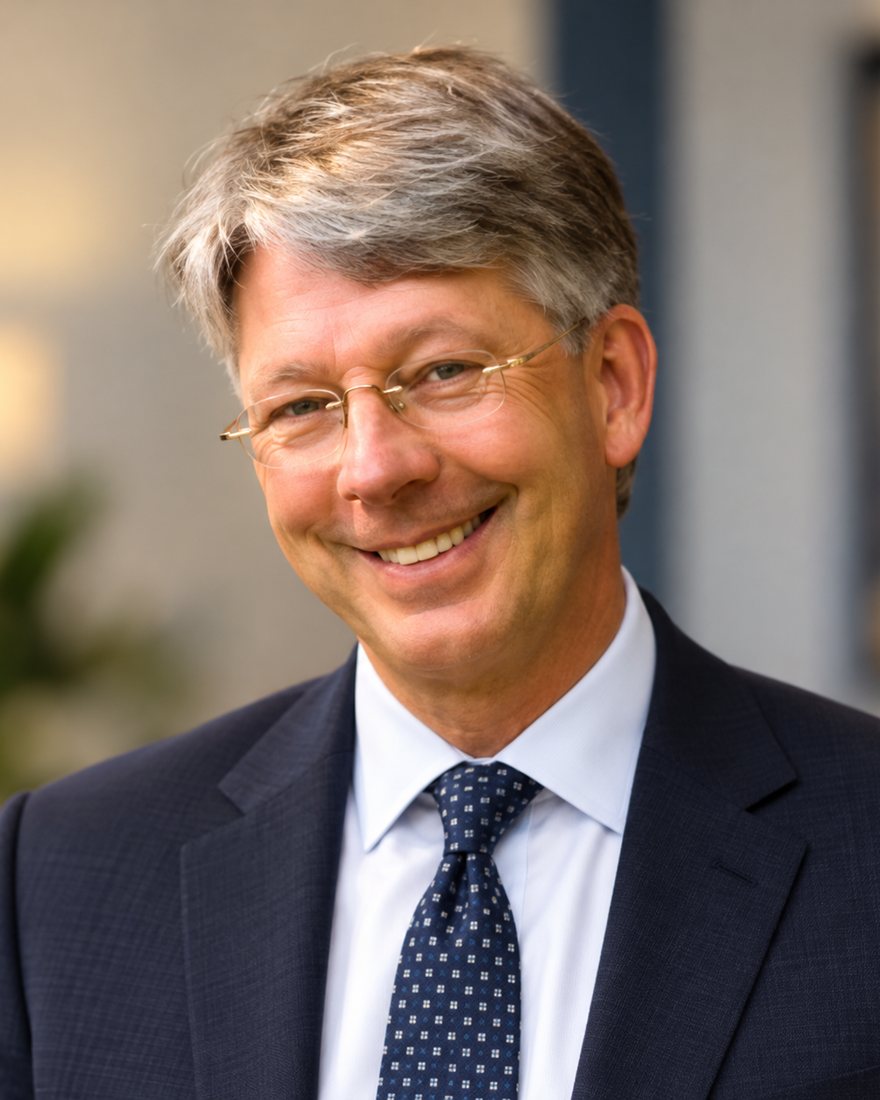
Leo Povel, Partner
We have answered this question four times ourselves.
Leo has founded, built and sold four companies across pharmaceuticals, telecommunications and maritime technology. Four times he has sat with a wire that cleared and a decision to make.
Each time the answer was the same: put it back into things he understands, alongside people who are building. Thirty years of making that decision is what this page is a summary of.
We are not advising from the sidelines. We are invested in the same things, on the same terms.
Worth saying plainly
We are not selling you anything here.
Founders Capital is a family office. We invest our own capital, and this page is an account of how we do it rather than an offer of a service.
What we do today is talk to founders facing the decision we have faced several times, and share how we approach it. If that turns into working together, we will tell you exactly what the arrangement is before anything else happens.
Contact
No pitch deck, no sequence.
A conversation about what you are holding and what you want it to do.